
The Allure of Gambling: Understanding the Appeal
The psychology behind gambling is deeply rooted in human behavior and the thrill of risk-taking. Casinos are designed to captivate players with bright lights, engaging sounds, and the promise of potential winnings. This environment triggers a rush of adrenaline, which can create a euphoric state, often referred to as “the gambling high.” Many individuals are drawn to this excitement, where each spin of the slot machine or roll of the dice brings with it the possibility of instant wealth, especially when they consider new customer betting offers.

This allure is further amplified by the concept of variable rewards. Unlike more predictable forms of entertainment, gambling offers unpredictability, which can heighten emotional responses. Players experience intermittent reinforcement—winning occasionally but not consistently—which keeps them coming back for more. This psychological mechanism can lead to a cycle of behavior that encourages continuous play, even in the face of losses.
The Role of Cognitive Biases in Gambling Success
Cognitive biases significantly influence how players perceive their chances of winning. The illusion of control is a common phenomenon, where gamblers believe they can influence the outcome of random events through skill or strategy. This belief can be particularly strong in games that involve an element of choice, such as poker or blackjack, leading players to overestimate their ability to win.
Another cognitive bias prevalent in gambling is the gambler’s fallacy, the belief that past events affect future outcomes. For instance, someone might think that if a roulette ball lands on red multiple times in a row, it is more likely to land on black next. This flawed reasoning can result in reckless betting patterns, as players chase their losses or try to capitalize on perceived trends.
The Impact of Emotions on Gambling Behavior
Emotions play a critical role in gambling decisions. Players often enter a casino with a specific mindset, whether they are seeking excitement, escape, or social interaction. Positive emotions can lead to more risk-taking behavior, as individuals are likely to bet larger amounts when feeling euphoric or confident. Conversely, negative emotions such as frustration or sadness can spur on impulsive gambling as a coping mechanism, which may lead to detrimental outcomes.
Mindfulness and emotional regulation can mitigate these tendencies. Players who are aware of their emotional states may make more rational decisions, setting limits to protect themselves from the pitfalls of emotional gambling. Understanding the influence emotions have can lead to healthier gambling practices and better outcomes.
The Influence of Social Dynamics in Casinos
Social interaction is a powerful aspect of gambling psychology. Many players enjoy the communal atmosphere of a casino, where they can share experiences and excitement with others. This aspect can enhance the enjoyment of gambling, making it feel like a social event rather than an isolated activity. However, the pressure to conform to group behaviors can also lead to riskier decisions, as individuals may follow the crowd when betting or playing games.
Additionally, the presence of well-versed gamblers can create a false sense of security for newcomers, influencing their betting patterns and emotional responses. This phenomenon highlights the importance of understanding social dynamics, as it can significantly impact one’s approach to gambling and ultimately their chances of success.
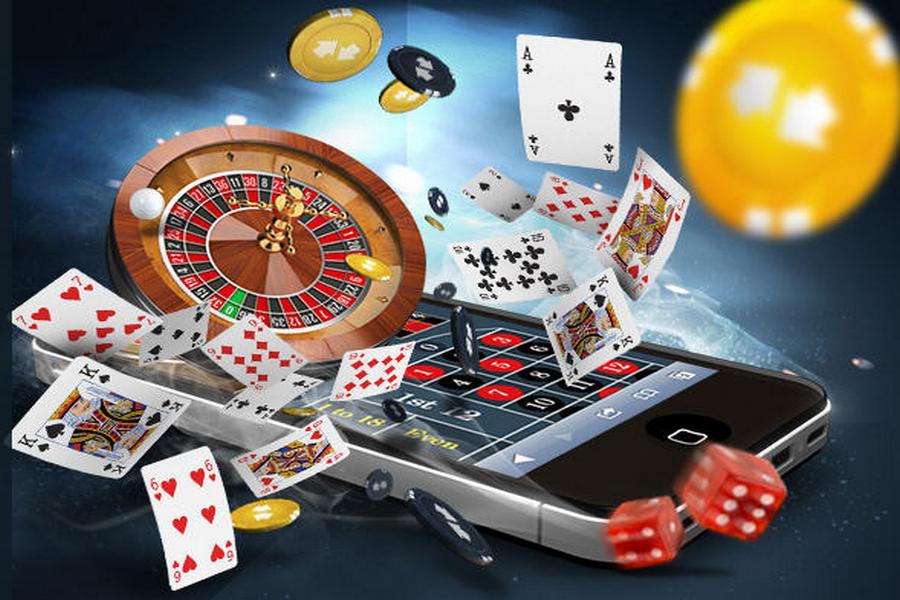
Exploring More on Gambling Insights
This website provides essential resources and valuable insights into the world of gambling and the psychology behind it. While some sections may be restricted, the available content aims to help users navigate their gambling experiences with informed perspectives. Understanding the underlying psychological factors can empower players to make smarter choices and engage more responsibly.
As the landscape of gambling continues to evolve, resources like this one play a crucial role in fostering awareness and education. By exploring the complex interplay of psychology and gambling, users can deepen their understanding and enhance their experiences in a safe and enjoyable manner.